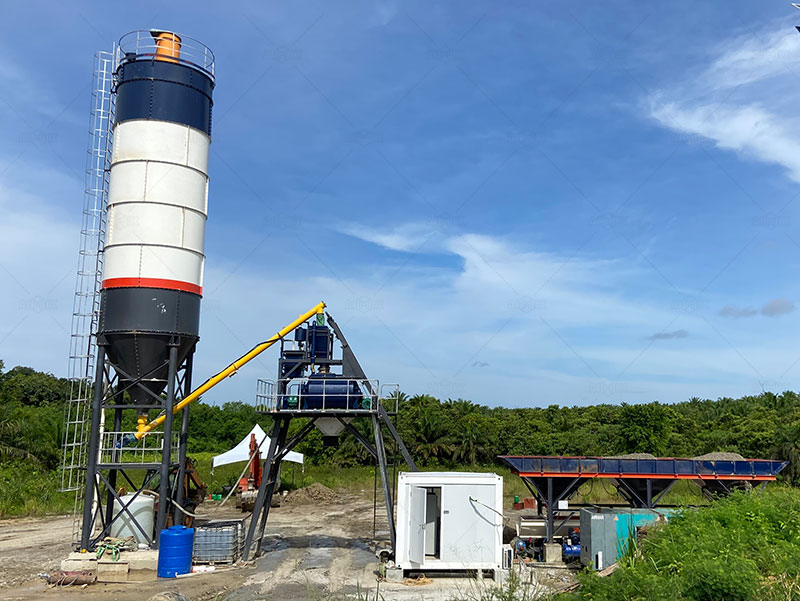
The valuation of ready mix concrete plant equipment extends far beyond simple acquisition cost, encompassing a complex matrix of technical specifications, operational capabilities, and long-term economic factors. The intrinsic worth of this industrial machinery is determined by its ability to deliver consistent performance, operational efficiency, and economic value throughout its service life. Equipment characteristics that enhance productivity, reduce operational costs, and ensure reliability contribute significantly to the overall valuation, creating a substantial divergence between the nominal price and the true economic worth of different ready mix plant configurations. This analysis examines the key characteristics that elevate the value of ready mix concrete plant equipment, providing a framework for evaluating equipment investments based on their long-term economic impact rather than short-term acquisition costs. The assessment considers technical sophistication, operational efficiency, durability, and adaptability as primary value drivers in the competitive concrete production market.
The level of technical sophistication and automation integration represents a primary determinant of ready mix concrete plant equipment value. Advanced control systems, incorporating programmable logic controllers (PLCs) and supervisory control and data acquisition (SCADA) software, enable precise control over batching accuracy, material proportions, and mixing cycles. These systems maintain water-cement ratios within ±1% tolerance, ensuring consistent concrete quality that meets stringent project specifications. Automated material handling systems, including computerized weigh batching and moisture compensation technology, eliminate human error and reduce material waste by 3-5%. The integration of remote monitoring capabilities allows plant operators to oversee production parameters, diagnose issues, and optimize performance from off-site locations, enhancing operational control and reducing downtime. The value premium for advanced automation systems typically ranges from 15-30% of the base equipment cost, justified by improved product quality, reduced labor requirements, and enhanced operational efficiency.
Modern ready mix plants incorporate sophisticated material storage and handling systems that significantly enhance equipment worth. Segregated aggregate storage bins with high-precision belt scales ensure accurate proportioning of different aggregate sizes, while enclosed conveying systems minimize material degradation and dust emissions. Advanced cement silo designs with fluidization systems and precise weighing mechanisms prevent bridging and ensure consistent cement flow, critical for maintaining concrete quality. The integration of automated admixture dispensing systems, capable of injecting multiple chemical additives with precision timing and dosage control, enables the production of specialized concrete mixes for specific applications. These technical features contribute to the plant's ability to produce a wide range of concrete specifications with consistent quality, expanding its market applicability and enhancing its economic value. The technical sophistication of the material handling system directly influences the plant's versatility, reliability, and ultimately, its long-term economic worth.
Operational efficiency metrics, particularly production capacity and cycle times, are critical determinants of ready mix plant equipment value. High-efficiency plants can achieve batch cycle times of 60-90 seconds, producing up to 200 cubic meters of concrete per hour under optimal conditions. The design of the mixing unit, whether twin-shaft, planetary, or tilt drum configuration, significantly impacts mixing efficiency and homogeneity. Advanced mixing technology ensures thorough blending of materials within shorter timeframes, reducing energy consumption per cubic meter of concrete produced. The integration of high-capacity material handling systems, including radial stackers and high-speed conveyors, ensures continuous material supply to maintain maximum production rates. Plants capable of sustaining high production volumes with minimal downtime command significant value premiums due to their ability to service large projects and maximize return on investment.
Energy efficiency represents another crucial factor in equipment valuation, with modern plants incorporating design features that reduce power consumption by 20-35% compared to conventional designs. Variable frequency drives (VFDs) on motors optimize energy usage based on load requirements, while efficient gearbox designs and properly sized hydraulic systems minimize energy losses. Heat recovery systems capture waste heat from compressors and hydraulic systems for use in heating process water or maintaining material temperatures in cold weather operations. Water recycling systems, capable of treating and reusing 90-95% of process water, reduce both water consumption and environmental impact. These efficiency features not only lower operational costs but also enhance the plant's sustainability profile, increasing its attractiveness to environmentally conscious customers and regulatory compliance. The cumulative effect of these efficiency improvements significantly enhances the equipment's long-term economic value.
The durability of ready mix plant components and their associated maintenance requirements directly influence equipment worth through their impact on lifecycle costs and operational reliability. High-quality wear parts, such as abrasion-resistant steel liners in mixers and wear-resistant coatings on conveying systems, extend service intervals and reduce replacement costs. The structural design of the plant, including the robustness of support structures, walkways, and access platforms, affects both safety and long-term maintenance requirements. Central mix Plants constructed with heavy-duty structural steel and proper corrosion protection systems maintain their structural integrity over decades of operation, reducing the need for costly structural repairs. The accessibility of components for maintenance and replacement also contributes to equipment value, with well-designed plants allowing for efficient servicing that minimizes downtime and reduces labor costs.
Predictive maintenance capabilities, enabled by integrated sensor systems and condition monitoring technology, represent a significant value-enhancing feature in modern ready mix plants. Vibration sensors on rotating equipment, temperature monitors on bearings and hydraulic systems, and pressure sensors throughout the hydraulic and pneumatic circuits provide early warning of potential failures. These systems enable maintenance to be scheduled during planned downtime, preventing catastrophic equipment failures and the associated production losses. The availability of comprehensive maintenance documentation, including detailed service manuals and parts catalogs, facilitates proper maintenance practices and reduces the learning curve for maintenance personnel. The combination of durable construction, accessible design, and advanced maintenance capabilities significantly reduces the total cost of ownership over the equipment's service life, enhancing its economic worth beyond the initial acquisition cost.
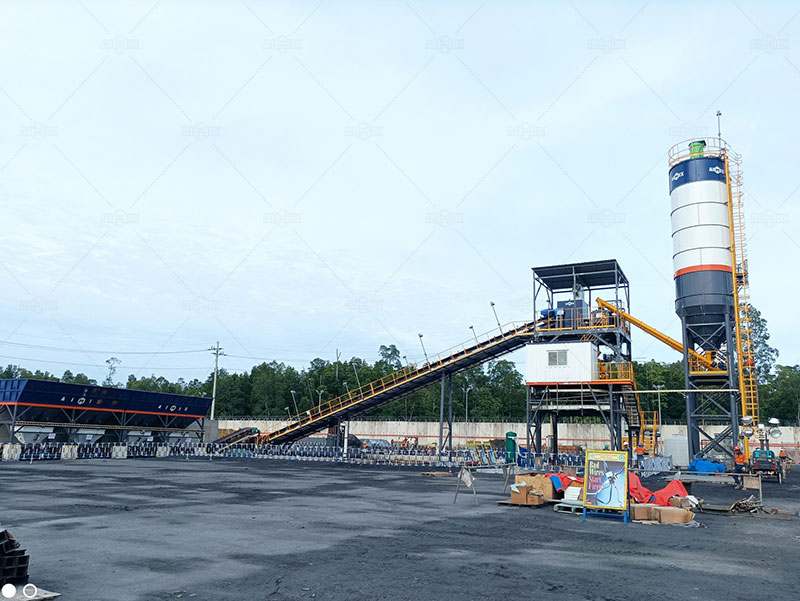
The adaptability of ready mix plant equipment to changing market demands and regulatory requirements significantly enhances its long-term value. Modular plant designs allow for future expansion or reconfiguration to accommodate changes in production requirements or product mix. The ability to easily integrate additional material storage capacity, new admixture systems, or advanced quality control equipment ensures the plant remains competitive as market conditions evolve. Compatibility with emerging technologies, such as automated truck dispatch systems, mobile batching controls, and cloud-based production monitoring, enables the plant to leverage technological advancements without requiring complete replacement. This adaptability extends the equipment's useful life and protects the investment against technological obsolescence, creating substantial long-term value for plant owners.
Regulatory compliance capabilities represent another critical aspect of equipment adaptability that influences its worth. Plants designed to meet or exceed current environmental standards for dust emissions, noise levels, and water management are better positioned to operate in increasingly stringent regulatory environments. Advanced dust collection systems, acoustic enclosures for noisy equipment, and comprehensive water treatment systems not only ensure compliance but also enhance the plant's social license to operate in sensitive locations. The ability to incorporate future regulatory requirements, such as carbon capture technologies or enhanced emissions controls, further increases the equipment's value by reducing the risk of costly retrofitting or operational restrictions. The combination of technical adaptability and regulatory compliance capabilities creates a future-proof equipment investment that maintains its value and operational viability over an extended service life.
The residual value of ready mix plant equipment, or its market value after a period of use, is significantly influenced by brand reputation, technical specifications, and overall condition. Equipment from manufacturers with established reputations for quality and reliability typically maintains higher residual values, reflecting market confidence in the equipment's long-term performance. Standardized component designs and widespread availability of spare parts enhance resale value by reducing maintenance complexity for subsequent owners. The technical specifications of the equipment, including its production capacity, energy efficiency, and automation level, determine its appeal to potential buyers in the secondary market. Well-maintained equipment with comprehensive service records and up-to-date maintenance schedules commands premium resale prices, reflecting its proven reliability and lower risk for new owners.
Market acceptance of specific equipment models and configurations also influences their worth in both primary and secondary markets. Equipment with features that align with industry trends, such as high levels of automation, energy efficiency, and environmental compliance, maintains stronger market demand and higher valuations. The availability of technical support, training resources, and spare parts from the manufacturer or third-party suppliers enhances the equipment's marketability and resale value. The geographic distribution of similar equipment and the availability of qualified service technicians in different regions can also affect equipment worth in specific markets. The combination of strong brand reputation, desirable technical features, and proven reliability creates equipment that maintains its value over time, providing a higher return on investment when the equipment is eventually sold or traded.
The availability and quality of concrete batching plant manufacturer support and service infrastructure significantly enhance the worth of ready mix plant equipment by reducing operational risks and ensuring long-term reliability. Comprehensive warranty terms, including coverage for major components and responsive service support, provide valuable protection against unexpected repair costs during the initial operational period. The availability of factory-trained service technicians and regional service centers ensures prompt response to equipment issues, minimizing downtime and associated production losses. The manufacturer's commitment to providing ongoing technical support, including software updates, operational training, and technical documentation, helps maintain optimal equipment performance throughout its service life. These support services reduce the total cost of ownership and enhance the equipment's economic value by ensuring consistent, reliable operation.
Spare parts availability and logistics represent another critical aspect of the support infrastructure that influences equipment worth. Manufacturers with efficient spare parts distribution networks and adequate inventory levels ensure that critical components are available when needed, reducing equipment downtime. The ability to source spare parts quickly and at reasonable costs is essential for maintaining operational continuity and controlling maintenance expenses. Some manufacturers offer predictive parts replacement programs based on equipment usage data, enabling proactive maintenance that prevents unexpected failures. The combination of responsive technical support, comprehensive warranty coverage, and efficient spare parts logistics creates a support ecosystem that enhances equipment reliability, reduces operational risks, and ultimately increases the overall worth of the ready mix plant equipment. This comprehensive support infrastructure is particularly valuable for operations in remote locations or markets with limited local technical expertise.